


Today’s dance music scene is regarded as a safe haven for those feeling lost in the world’s chaos. During festivals such as Beyond Wonderland and Electric Daisy Carnival, you’ll witness hands reaching for the skies illuminated by an explosion of neons and bodies swaying at different tempos to the heart-pounding bass in the air.
As festival-goers, we’re familiar with the sigh of relief as we finally take that step across security, but why are EDM festivals hubs for bubbles of safety?
Frankie Knuckles, an out gay and Black producer and remixer became one of the first individuals who pioneered the EDM scene and molded dance music into what we enjoy today.
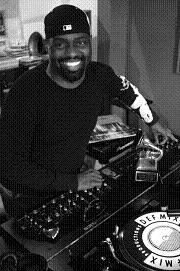
Often considered as the inventor house music and the primary contributor to its origins in popularity, Knuckles began his DJ career in The Warehouse, a thriving and electrifying community space in Chicago for gay and Black men that eventually attracted large anticipatory crowds. The DJ accredits his sister’s jazz collection that inspired several notable tracks such as “Your Love,” “Baby Wants to Ride,” and “You Got the Love.”
Frederick Dunson, founder and president of the Frankie Knuckles Foundation that aims to preserve Knuckles’ legacy, tells Billboard that the club became a place for gay and Black individuals to freely express themselves without societal judgements.
The origins of electronic music are inextricably linked to queer communities of color and paved the road to the funk, soul and hip-hop fusions we hear today. Many people view these spaces where they can “drop the mask” and melt their day-to-day stresses away, welcoming an overflowing feeling of liberation they don’t normally experience. The foundation for this common feeling stems from queer and POC communities who have played crucial roles in creating spaces that celebrate diverse gender expressions, ethnicities and cultures.
The boom of Chicago House in the 1970s didn’t stay localized, finding itself crossing international borders and into South African culture. Known as Kwaito, dance music evolved into a vital discussion between the audience and the artist; talks of economic adversity and political unrest in the 1990s intertwined with the soothing and almost hypnotic beats. Artists drew inspiration from the percussive pulses and smooth piano that embodied genres such as Jazz and Soul.
South African DJ Fistaz Mixwell reflects on his journey as a musician in an apartheid state, attributing his Music Manager role at the national Metro FM as his launch into turning house music into a popularized sensation.
“At this time there was still no such thing as house music really,” tells Mixwell to DJ Mag. “We didn’t know it was called house, but over the next couple years started introducing it to everyone.”
A movement, a lifestyle and a community: Black individuals across the globe established creative spaces that fostered a need and want for camaraderie during a time of rampant oppression, providing spaces to articulate a profound sense of identity and resistance that transformed dance music itself.
Diving into EDM roots opens a gateway into understanding and acknowledging the struggles in which dance music’s roots originated. The historical depths of struggle and perseverance of discriminated communities and cultures calls us in to analyze the content in which we enjoy and recognize those who laid the foundations for dance music culture and continue to shape it in the years to come.
Follow Frankie:

Hello. My name is Lea and I've been involved in the rave scene for around a year. While my festival experience is limited, I'm an avid dubstep and riddim listener and have attended shows headlined by several artists such as Midnight Tyrannosaurus, Hi I'm Ghost, Space Laces, and Sullivan King. When I'm not listening to EDM, you can find me jamming to 70s punk and J-Pop at the gym.